

SUP Paddles
- Product
- Qty in Cart
- Quantity
- Price
- Subtotal
-
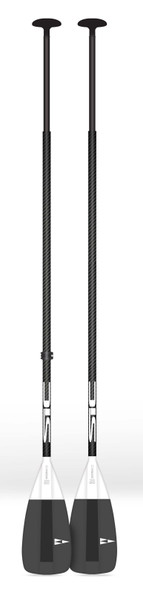
TAO 90 - ATF LL
SIC Maui
$329.95Shaft: 90% Fiberglass/ 10% Carbon shaft • 16” adjustable Lever Lock™ adjustability system (fits inside of SIC 3 PC paddle travel bag) • Fiberglass handle shaft with 16” of adjustability – 70”-...$329.95
SUP Paddles - Stand-Up Paddles for Sale
Choosing the right paddle can make a noticeable difference in how your stand-up paddle board feels on the water. The right paddle can help you paddle more efficiently, feel more comfortable on longer sessions, and get the most out of your board.
At Liquid Surf & Sail, we stock SUP paddles in a range of materials, shapes, and designs, including fixed and adjustable options to ship across the US. Whether you're new to stand-up paddle boarding, enjoy casual paddling, or spend your time racing or touring, there are specific paddles for all different styles and experience levels.
Key Takeaways
- The right paddle can improve comfort, efficiency, and performance on the water.
- Paddle length and blade shape should match your height, board, and paddling style.
- Aluminum, fiberglass, and carbon are common SUP paddle materials, with different benefits and price points.
- Adjustable paddles are versatile and convenient, while fixed paddles can provide a lighter, more performance-focused setup.
- Your ideal paddle depends on how and where you plan to use your SUP.
Why Does Your SUP Paddle Matter?
Your paddle is one of the most important pieces of equipment you use on a stand-up paddle board. Every stroke transfers power from your body into the water, so the weight, length, and blade design of your paddle can affect how efficiently you move.
A paddle that is too long or too short can also make your stroke feel awkward and may become uncomfortable during longer sessions. For beginners, a comfortable and forgiving paddle can make learning easier. More experienced paddlers may prefer a lighter paddle that responds quickly and maximizes efficiency.
If you're putting together a complete setup, your paddle should also complement your board. Explore our SUP boards and SUP equipment to find the right combination for your time on the water.
Choosing the Right Paddle for Your Experience Level
The best paddle board paddles will depend partly on how often you paddle and what you want to get out of your SUP.
Beginners and Casual Paddlers
If you're new to stand-up paddle boarding, comfort and ease of use should be your priorities. An adjustable paddle is a practical choice because you can fine-tune the length to suit your height and paddling position. They're also useful if more than one person will be using the paddle.
A slightly more forgiving blade and a durable construction can also be beneficial while you're learning proper paddle technique.
Touring and Longer Sessions
If you spend several hours on the water, paddle weight becomes increasingly important. A lighter paddle can reduce the effort required over hundreds or thousands of strokes, making it more comfortable for longer trips.
Fiberglass and carbon paddles are popular choices for touring because they offer a good combination of low weight and efficient power transfer.
Racing and Performance Paddling
For racing and performance-focused paddling, every part of your equipment matters. Lightweight carbon paddles are often preferred because they minimize swing weight while providing a stiff, responsive feel.
Blade shape and size are also important. Larger blades can generate more power per stroke, while smaller blades can make a faster stroke rate easier to maintain.
SUP Paddle Materials
SUP paddles are made using several different materials, and each has its own advantages.
Aluminum
Aluminum paddles are generally durable and affordable, making them a popular option for beginners and recreational paddlers. They tend to be heavier than fiberglass or carbon, but their durability makes them well suited to everyday use.
Fiberglass
Fiberglass offers a useful balance between weight, durability, and performance. A fiberglass paddle is lighter than many aluminum options while remaining relatively durable, making it a versatile choice for recreational paddling and touring.
Carbon Fiber
Carbon fiber paddles are designed for paddlers who want to reduce weight and maximize performance. Carbon construction is lightweight and stiff, allowing more of your effort to be transferred directly into each stroke.
A carbon fiber paddle is particularly popular with experienced paddlers, racers, and anyone who spends a lot of time on the water.
SUP Paddle Blade Shapes and How They Affect Performance
The shape of a SUP paddle blade influences how the paddle enters the water, how much water it moves, how stable it feels during the power phase of the stroke, and how easily it releases at the end. Blade size matters, but the outline and profile of the blade can make two paddles with similar surface areas feel very different on the water.
When comparing SUP paddles, it helps to look at two things separately: the overall blade shape, such as teardrop or rectangular, and the blade profile, such as flat, concave, or dihedral.
Teardrop Paddle Blades
Teardrop-shaped blades are wider toward the bottom of the blade and narrower closer to the shaft. Because more of the blade's surface area is concentrated near the tip, a larger portion of the blade engages with the water early in the stroke.
This can create a strong catch and deliver noticeable power as soon as the blade is planted. Teardrop blades can be a good choice for paddlers who prefer a powerful stroke, including touring, surfing, downwind paddling, and certain racing applications.
However, the stronger initial load can require more effort, particularly with larger blade sizes. Paddlers who prefer a very high stroke cadence may choose a smaller teardrop blade to maintain the strong catch without placing excessive strain on the shoulders.
Rectangular Paddle Blades
Rectangular or parallel-sided paddle blades carry more of their width farther up the blade rather than concentrating most of the surface area near the tip.
This shape can provide a smoother and more progressive application of power throughout the stroke. Instead of producing most of the resistance immediately at the catch, the blade continues to engage as more of it enters the water.
Rectangular blades can work well for recreational paddling, touring, racing, and paddlers who prefer consistent power throughout the stroke. Depending on the specific blade design, they may also feel easier to control than an aggressively shaped teardrop blade.
Narrow vs. Wide Blades
Blade width also affects how a paddle feels.
A wider blade generally grabs more water and can produce more power with each stroke. This can be useful for acceleration, SUP surfing, sprinting, or moving a larger board. However, moving more water also increases the load placed on the paddler.
Narrower blades typically produce less resistance and can make it easier to maintain a faster cadence. They may be well suited to distance paddling, touring, and paddlers who want to reduce fatigue over long sessions.
Neither design is automatically better. The ideal width depends on your strength, stroke technique, board type, and preferred cadence.
SUP Paddle Blade Profiles
In addition to the outline of the blade, manufacturers shape the surface of the blade to control how water flows across it. These blade profiles can influence stability, power delivery, and how much the paddle moves or "flutters" during the stroke.
Flat Blade Profiles
A flat blade has relatively little contour across its face. It is one of the simplest paddle blade designs and can provide predictable performance for recreational paddling.
Flat blades can feel smooth and easy to use, although they may offer less built-in water-flow control than more sculpted blade profiles. Depending on the paddle design and stroke technique, a flat blade may be more prone to slight side-to-side movement during a powerful stroke.
For recreational paddlers, however, a well-designed flat blade can provide a straightforward combination of control, durability, and value.
Concave Blade Profiles
A concave paddle blade has a recessed or scooped section on the power face of the blade. This shape is designed to help hold water against the blade during the power phase of the stroke.
The result can be a strong, positive catch with less water slipping around the sides of the blade. Concave designs can provide powerful acceleration and a planted feeling in the water.
The amount and location of the concave section varies between manufacturers, and some blades combine a concave face with other contours to fine-tune water flow.
Because these blades can create a strong grip on the water, larger concave blades may require more effort than smaller or more forgiving designs.
Dihedral Blade Profiles
A dihedral blade has a raised ridge running vertically down the power face, creating two angled surfaces on either side of the centerline.
This shape helps direct water evenly toward both sides of the blade as you pull through the stroke. By controlling water flow, a dihedral profile can help reduce blade flutter and provide a smooth, stable feeling through the power phase.
Dihedral blades are common in performance-oriented SUP paddles because they can combine a strong catch with predictable tracking through the water.
The depth and shape of the dihedral can vary significantly. A subtle dihedral may provide gentle stabilization, while a more pronounced design can have a greater influence on how water moves across the blade.
How Blade Shape and Profile Work Together
Blade outline and blade profile should not be considered separately. A large teardrop blade with a deep concave profile, for example, may provide a very powerful catch, while a smaller rectangular blade with a mild dihedral may feel smoother and easier to paddle at a higher cadence.
Your ideal combination depends on what you want the paddle to do.
Recreational paddlers may prefer a predictable blade with moderate surface area and smooth power delivery. Touring paddlers often benefit from efficient blades that reduce fatigue over long distances. Racers may look for lightweight, responsive designs that match their preferred stroke rate, while SUP surfers may favor blades capable of producing quick bursts of acceleration.
Rather than choosing a paddle based solely on blade size, consider the complete design — including surface area, outline, profile, shaft stiffness, and paddle weight — to find a paddle that complements your technique and the way you use your SUP.
Fixed, Adjustable, or Travel SUP Paddles?
Once you've decided on the material and blade style, you'll also need to choose how your paddle is constructed.
Fixed SUP Paddles
Fixed paddles are made to a specific length and don't have an adjustable shaft. Because they don't require adjustment hardware, they can be lighter and provide a direct, solid feel.
They're a popular choice for experienced paddlers who know their preferred paddle length and want to optimize their setup.
Adjustable SUP Paddles
Adjustable paddles allow you to change the shaft length, making them a versatile option for beginners and families. They're also useful if you switch between different paddling styles or boards.
For many recreational paddlers, an adjustable SUP paddle offers the convenience and flexibility they need without requiring a separate paddle for every situation.
Travel SUP Paddles
Travel paddles are designed with portability in mind and can break down into multiple sections for easier transportation and storage. They're particularly useful if you regularly travel with your board or need to fit your paddle into a smaller space.
How Long Should a SUP Paddle Be?
Paddle length is one of the most important things to get right. Your height is a good starting point, but your board, paddling style, and the type of water you're using it in can also affect the ideal length.
As a general rule, your paddle should allow you to comfortably reach the water without needing to excessively bend or stretch. Adjustable paddles make it easier to experiment with different lengths until you find what feels natural.
If you're unsure which length is right for you, it's worth considering how you normally paddle rather than relying solely on a height chart.
Frequently Asked Questions
What is the best SUP paddle for beginners?
An adjustable paddle is often a good choice for beginners because it allows you to change the length as you become more comfortable with your paddling technique. Aluminum and fiberglass options can also provide a good balance of durability, weight, and value.
What is the difference between an SUP paddle and a regular paddle?
SUP paddles are specifically designed for standing while paddling. They typically have a longer shaft and a blade angled to make it easier to maintain an efficient stroke from a standing position.
Are carbon SUP paddles worth it?
Carbon paddles can be worth the investment if you paddle frequently or want to reduce the weight of your equipment. They're particularly useful for touring, racing, and longer sessions where the reduced weight can make a noticeable difference.
Should I get a fixed or adjustable SUP paddle?
It depends on how you paddle. Fixed paddles can offer a lightweight, performance-focused setup, while adjustable paddles provide more versatility. If you're new to SUP or share equipment with other paddlers, an adjustable option is usually the more convenient choice.
What size SUP paddle do I need?
The right paddle length depends on your height, board, and paddling style. Your paddle should allow you to reach the water comfortably while maintaining a natural stroke. Adjustable paddles are a convenient option if you're still determining your ideal length.
Can I use the same paddle for different types of SUP?
You can, but different paddling styles may benefit from different paddle designs. A recreational paddle can work well for casual cruising, while touring and racing paddlers may prefer lighter paddles with blade designs suited to longer or faster sessions.
Find the Right SUP Paddle for Your Setup
The right paddle should feel like an extension of your board rather than something you have to fight against. Consider how often you paddle, what type of water you're on, and whether weight, portability, or performance is most important to you.
Browse our selection of SUP paddles to find options in different materials, blade designs, and configurations. If you're building a complete setup, explore our SUP equipment and SUP boards to find everything you need for your next session on the water.