
Surf SUPs
- Product
- Qty in Cart
- Quantity
- Price
- Subtotal
-

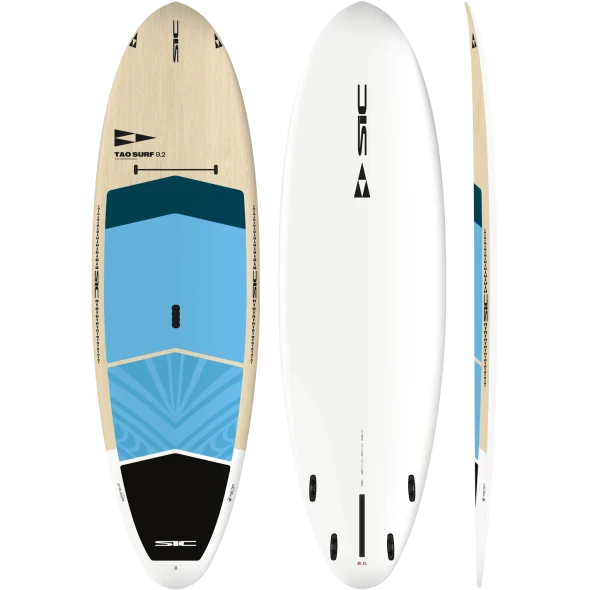
Tao Surf 9'2" x 31.5"
SIC Maui
$899.95Ideal for Recreational TouringBeginner surfersIntermediate - advanced surfers that want a durable PaddleboardGreat board for kids learning to PaddleFamilies looking for an affordable...$899.95 -

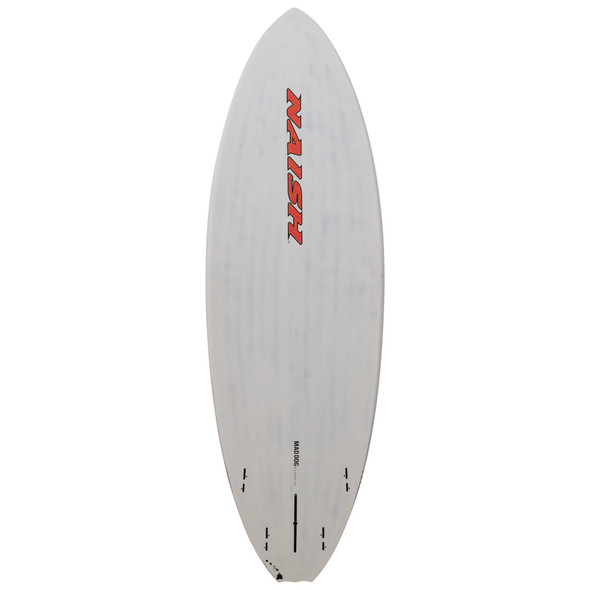
Naish Mad Dog Surfboard - 7'6"-9'5"
Naish
$1,669.00PERFORMANCE/WAVE Designed for limit pushers looking for top performance, the Mag Dog is made for aggressive surfers looking to maximize every session. The Mad Dog has a rocker that feels like a...$1,669.00 -


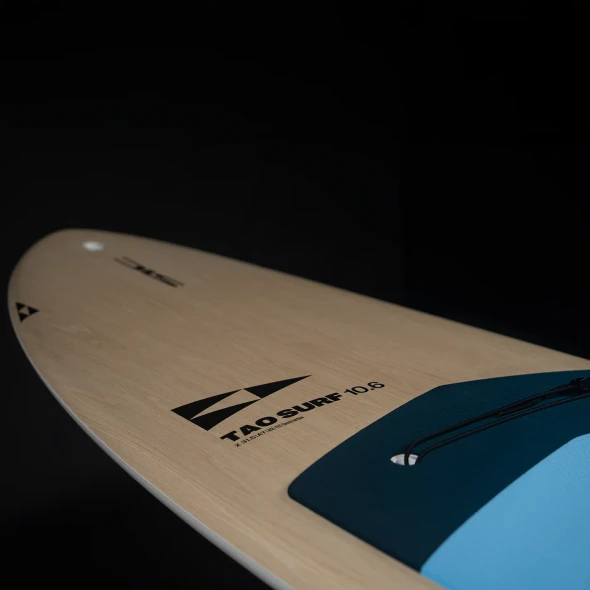
Tao Surf 10'6'' x 31.5''
SIC Maui
$949.95Ideal For Recreational TouringBeginner - Intermediate - advanced surfers that want a durable PaddleboardGreat board for kids learning to Paddle Summary The TAO Surf series is designed for surfers of...$949.95 -
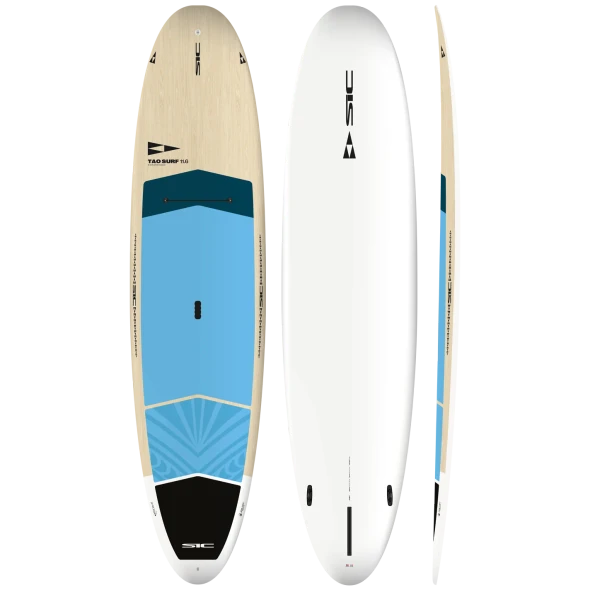
Tao Surf 11'6'' x 31.5''
SIC Maui
$999.95Ideal for Recreational TouringBeginner - Intermediate - advanced surfers that want a durable Paddleboard Summary The TAO Surf series is designed for surfers of all skill levels and families looking...$999.95
Surf SUP Boards for Sale
Surf SUP boards combine the freedom of stand up paddleboarding with the speed and maneuverability needed to ride waves. Unlike traditional recreational paddle boards, boards designed specifically for surfing typically feature more responsive shapes, refined rails, and fin setups that make it easier to turn, carve, and maintain control on a wave.
Whether you're learning to catch your first waves or looking for a performance board for more advanced conditions, choosing the right surf paddle board comes down to finding the right balance of stability, size, volume, construction, and maneuverability.
Our selection includes options for recreational riders as well as experienced and competitive surfers, with both rigid and inflatable designs available.
Key Takeaways
- Beginners generally benefit from wider, higher-volume boards that provide more stability.
- Advanced riders can choose shorter, narrower boards for faster turns and more responsive surfing.
- Board volume should support your body weight while still matching your surfing ability.
- Rocker, rail shape, and tail design can significantly affect how a SUP performs on different waves.
- Fin setups influence stability, tracking, speed, and maneuverability.
- Rigid boards generally provide the strongest surf performance, while inflatable models offer easier transportation and storage.
- Your paddle, fins, leash, and other accessories can have a noticeable impact on your experience in the water.
How to Choose SUP Surfing Boards
The best SUP for surfing depends on your size, experience level, local wave conditions, and the type of riding you want to do.
Weight, Length and Skill Level
Board length should be considered alongside rider weight and skill level.
Longer and wider surfing SUP boards generally provide more stability, making them easier for beginners to paddle and balance on. Experienced surfers often prefer shorter boards because their reduced length allows quicker turns and a more responsive feel on the face of a wave.
A heavier rider will usually need more volume than a lighter rider, while advanced surfers may intentionally choose lower-volume boards for better performance.
Understanding Volume and Thickness
SUP volume is normally measured in liters and indicates how much buoyancy the board provides.
Higher-volume boards float higher and generally feel more stable. Lower-volume boards sit deeper in the water and require more balance, but they can offer greater control when surfing.
Thickness also affects buoyancy and stability. Beginners should generally prioritize enough volume to comfortably support their weight rather than choosing a board solely because it is shorter or more performance-oriented.
Board Shape and Wave Conditions
The shape of a surf SUP can dramatically change the way it rides.
Boards with more rocker, the upward curve from nose to tail, are generally better suited for steeper waves because the curved nose is less likely to catch as the rider drops into the wave.
Tail shape also influences turning and control. Wider tails can increase stability and make generating speed easier, while narrower performance-oriented tails can provide greater control during aggressive turns.
If you mainly surf smaller, slower waves, a slightly wider board with more volume may make catching waves easier. Faster or steeper waves typically favor more maneuverable designs.
Choosing the Right Fin
Fins help control tracking, stability, and turning.
Some SUP surfing boards use a single center fin, while others feature two, three, or more fins. A common surf configuration is a thruster setup with one center fin and two smaller side fins.
Larger fins can improve tracking and stability, while smaller fins tend to allow easier turning. Riders looking to adjust the way their board performs can also explore our selection of [SUP fins] to customize their setup.
Construction Features That Matter
Board construction affects weight, durability, stiffness, and performance.
Rigid composite boards are usually preferred when maximum surfing performance is the priority. Their stiffness allows energy from the rider's movements to transfer efficiently into the board, producing faster and more precise turns.
Durability is also important, especially if you regularly surf around rocky beaches, reefs, or crowded lineups. Consider rail reinforcement, deck construction, fin-box quality, and overall board weight when comparing options.
Surfing SUP Boards for Recreational Use
Recreational riders should generally prioritize stability and wave-catching ability over extreme maneuverability.
Look for boards with enough width and volume to make paddling comfortable while still offering a surf-oriented outline. These boards are ideal for riders who want to paddle flat water on some days and catch smaller waves on others.
A versatile SUP can also be a good option for newer riders who are still discovering what style of surfing they enjoy.
Don't forget the paddle itself. A lightweight, properly sized paddle can reduce fatigue and make it easier to generate the speed needed to catch a wave. Browse our selection of [SUP paddles] when completing your setup.
Surf Paddle Boards for Advanced or Competitive Use
More experienced riders often choose shorter, lower-volume boards with thinner rails and more aggressive surf shapes.
These designs sacrifice some stability in exchange for increased maneuverability. The result is a board capable of sharper bottom turns, faster rail-to-rail transitions, and more responsive performance in powerful surf.
Advanced riders should pay particular attention to rail shape, rocker, tail design, fin configuration, and construction. Small differences in these features can have a significant effect on how a board performs.
If you're transitioning from recreational SUP surfing into higher-performance riding, gradually reducing board volume can be easier than immediately moving to an extremely small board.
Inflatable Stand Up Surfboards
An inflatable stand up surfboard can be a practical choice for riders who value portability and storage.
Inflatable models can be deflated, rolled up, and transported in a carrying bag, making them useful for apartments, road trips, air travel, or vehicles with limited storage space.
Modern inflatable construction can provide impressive stiffness when inflated to the recommended pressure, but rigid boards still generally provide more precise performance for aggressive surfing.
For recreational riders, travelers, and anyone who wants one board that is easy to store and transport, inflatable options can offer an excellent balance between convenience and versatility.
Find the Right Surf SUP for Your Next Session
Your ideal board should match your weight, experience, local waves, and riding goals. Beginners may prefer stability and additional volume, while experienced surfers can prioritize responsive rails, shorter lengths, and performance-focused shapes.
Budget should also reflect how often you plan to surf. Occasional riders may prefer an affordable recreational model, while frequent or competitive surfers may benefit from investing in lighter construction and more advanced board designs.
Browse our full selection of [stand-up paddle boards] to compare additional styles, or complete your surf setup with [SUP fins] and [SUP paddles].
Shop our Surf SUP boards today and find the right setup for your next day on the water. Free shipping is available on qualifying orders over $149.
Surf SUP Board FAQs
What size SUP is best for surfing?
The best size depends on your weight and ability. Beginners typically benefit from longer, wider, higher-volume boards, while advanced riders often choose shorter boards for improved turning and maneuverability.
Can you surf on a regular paddle board?
Yes, many all-around SUPs can catch small waves. However, dedicated sup surfing boards usually have shapes, rails, rocker, and fin configurations designed to provide better control and maneuverability while surfing.
Are inflatable SUPs good for surfing?
Inflatable SUPs can work well for recreational surfing, particularly in smaller waves. They are convenient to transport and store, although experienced surfers often prefer the increased stiffness and responsiveness of rigid boards.
What is the difference between a surf SUP and a regular SUP?
Surf-specific SUPs are usually shorter and feature more rocker and surf-oriented rail and tail designs. Regular all-around boards tend to prioritize stability, tracking, and flat-water paddling.
How much volume should a surf SUP have?
The appropriate volume depends on the rider's weight and skill level. Beginners generally need more volume for stability, while experienced riders can use lower-volume boards for increased responsiveness and control.